
Estudos
Nov 19, 2026
One hundred and thirteen files two days after the rule
I set a 4 KB ceiling per document and 15 per day. Two days later came the record: 113 files. What changed behavior was the meter, not the rule.
Continue reading →
24 posts
I set a 4 KB ceiling per document and 15 per day. Two days later came the record: 113 files. What changed behavior was the meter, not the rule.

An audit guard demanded four provenance fields on every work plan. I ran it against the archive and found that 1 of 500 plans complied — 0.2%. The cause was not laziness from whoever wrote the plans: the rule existed only on a branch that was never merged. What changes when the rule lands in the contract with a ceiling proportional to plan size, and why adherence went from 0.2% to 15% in three days.
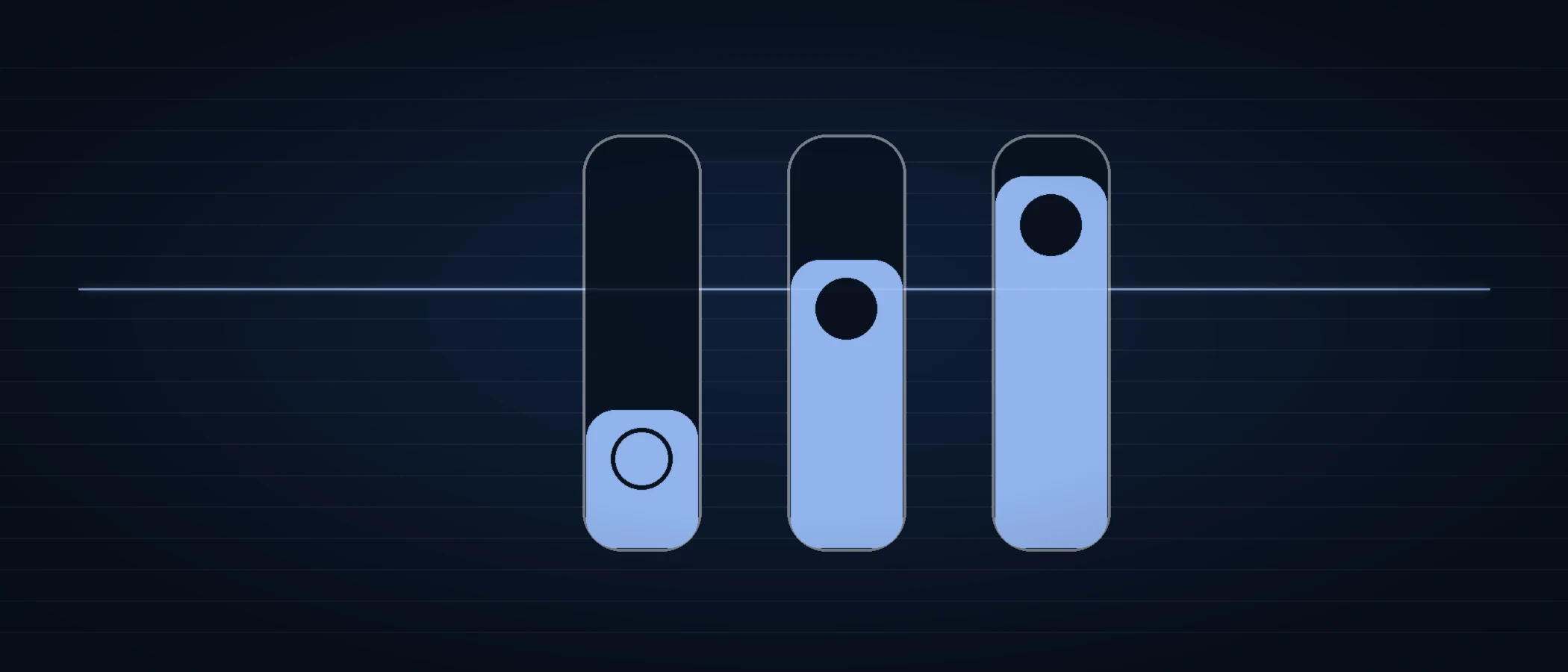
Three suites broke on the same day in two different projects, all with the same timeout message — and none of them had a regression. The cause was a host load average of 81. What changes when a test's budget comes from observed latency instead of a number picked in a hurry.
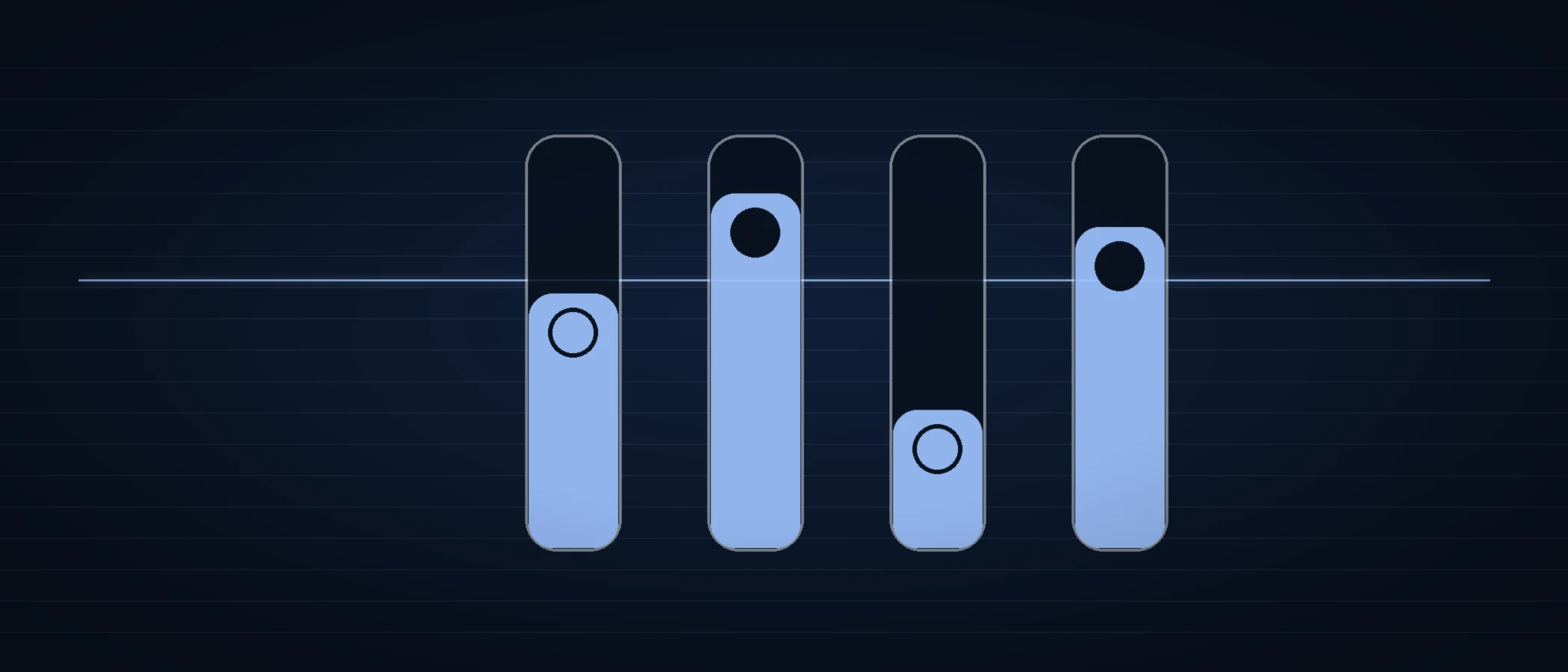
A checker that said OK and exited with code zero without declaring how many checks it had executed. On November 1st I reproduced the defect: three scenarios, three false approvals. What changes when the certificate starts demanding an explicit count.

Three 20 MB bases, 16 WAL segments and two drills that compared table inventory between production and the restored copy. What I learned by measuring recovery instead of trusting the saved file.

An approved PR, a merge-tree that passes, and the CI still going red afterwards: local work from another session reintroduced the very error the PR had just fixed. The guard that turns that into a rejection before the commit.

How Estudos created a system that validates fixtures against the real database schema, preventing tests from passing by deception for nine days.

A scraping bridge asked the database for a column it never had. Nine days of runs, exit code zero, nothing collected. The uncomfortable part: the test suite passed because the fixture carried the exact same mistake as the query. Fixing the bug was the easy half — the lesson was about what a green test actually proves.

An LLM call ends in 200 OK with empty content and the pipeline moves on like nothing happened. Diagnosis: reasoning models burn the token budget thinking and nothing is left for the answer. The fixes: a token ceiling with real margin, and a parser that tolerates a data: [DONE] glued to the JSON.

The new stage in my transcription pipeline uses Gemini TEXT over 120s windows — no audio, cheap and fast. What keeps the model from making things up isn't a polite prompt: it's a numeric ±35% character invariant per window, with retry and flag when the math doesn't close.

After the bilingual jump to 0.1614 recall@1, there was a number left on the bench: how much was the cross-encoder contributing on every search? The week I measured that latency and recall are a bill you pay on every query — and the answer ended up written as a permanent flag in the config.

300 training steps, a loss stuck at 10.8125, and a model that insisted on coming out blank. The cause wasn't a low learning rate — it was exploded weights in the starting checkpoint. The story of how a stalled run became a full diagnosis.

A study about cron jobs: why they accumulate, fail silently, and how a cron that 'never sleeps' can take down an ecosystem. From Yurumi's consolidation to 289 orphan jobs — the lessons from a night of investigation.

Three embedding models, two search systems, one homegrown benchmark: the study that started with a question about semantic similarity and ended up revealing the tradeoffs between colibri, bge and openai — and how each one found its place in the ecosystem.

Capivara kept its memories in a local ChromaDB, with its own embedder and L1-L4 layers. Yurumi kept the ecosystem's memory in a Qdrant. Two separate memories meant a brain that never talked to the rest of the body. The unification on 08/28 migrated 182/182 memories without losing a single one: hash dedup, backup before deleting, and an --apply gate that separates the plan from the execution.

Every project's AGENTS.md was the official instruction set of the ecosystem, but it lived outside the Yurumi's memory — the ingest only ran when someone remembered to run it. The fix was a signature watcher (mtime+size) that re-ingests only what changed. Along the way: a first_run that ran a full ingest every day, an os.stat that hung when WSL wedged, and the lesson of never trusting a junction.
Yurumi stored its memory with a single embedding model trained in Portuguese. It worked — until the first question in English. The fix was not swapping the model; it was running two of them side by side and fusing the rankings with RRF. After a full LoCoMo run, recall went from 0.139 to 0.1614.

The simple question 'what does my agent actually remember?' turned into a full audit of Yurumi: 32 knowledge bases, 551 documents, a Qdrant collection with over 8 thousand vectors, and a LoCoMo baseline that handed back reality in percentage form.

I actually read the BitNet b1.58 paper and got stuck on a math problem that refused to add up: how do three values (-1, 0, +1) fit in 1.58 bits? A study week that became a didactic clone of ternary quantization — and wrecked my mental model of 'precision equals quality'.

After the wave field theory and Mamba post, the theory gained something it was missing: a didactic, portable, testable artifact. How to turn a study into code that runs — and why that changed how I learn.

A full inventory of the ecosystem's skills revealed 308 skills across 39 categories, 4 reuse gaps, and the padroes-reuso-ecossistema hub that organized everything into 7 domains. A study that turned into an audit of my own knowledge.

From the wave field theory paper to BitMamba-2 1B: how a study on wave propagation became the TatuEngine inference engine, and why the Ollama truncation loop (num_ctx 4096 vs 262K) became the Docs First rule that runs across the entire ecosystem.

Out of 78 posts, only 1 was about studies — the Ollama truncation loop. But it was in the studies that wave field theory, Mamba SSM and the BitMamba-2 1B were born. The story of what the blog's most neglected section actually produced.

Hermes kept entering a continuation loop 4 times before giving up. The cause: Ollama, by default, only allocates 4096 context tokens — regardless of the model supporting 262K. The hard way: num_ctx of the model ≠ num_ctx of the inference slot.